The Craft
Indigo, folded a thousand times.
Bai tie-dye — zārǎn — is a thousand-year craft from Dali, Yunnan. Every step happens by hand, in the same workshops where it has always happened. This is what it takes to make one bag.
Chapter I
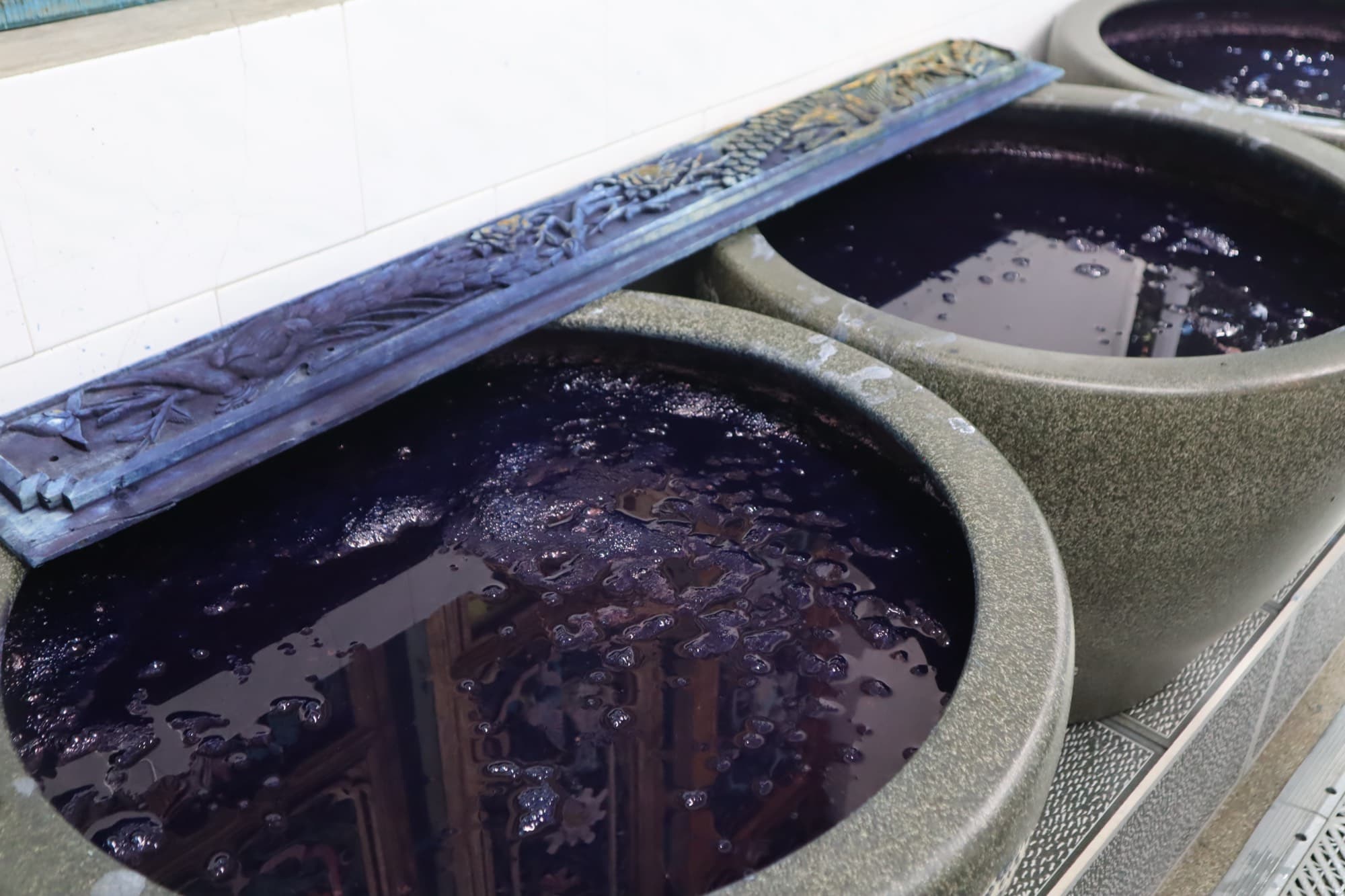
The vat.
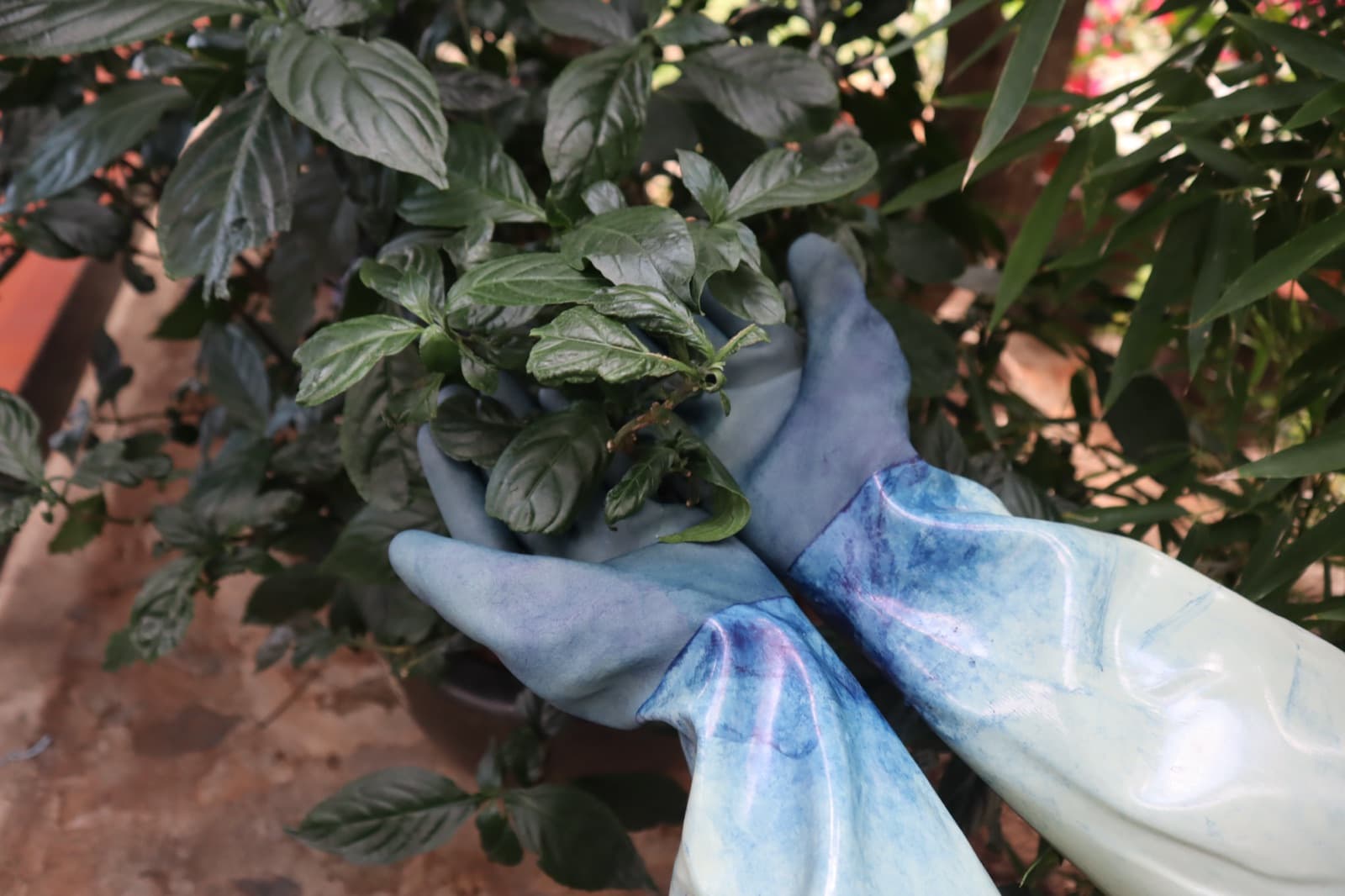
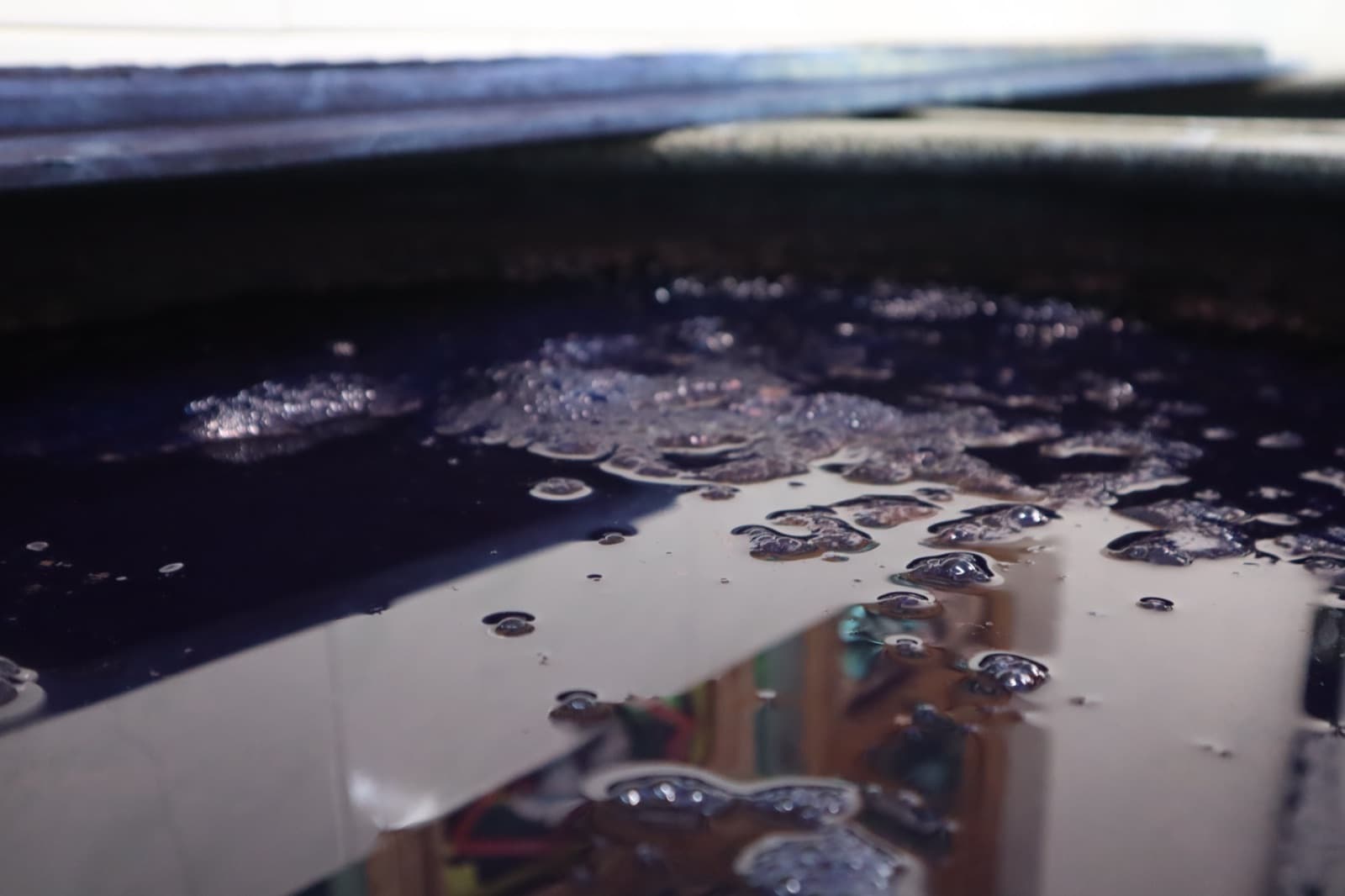
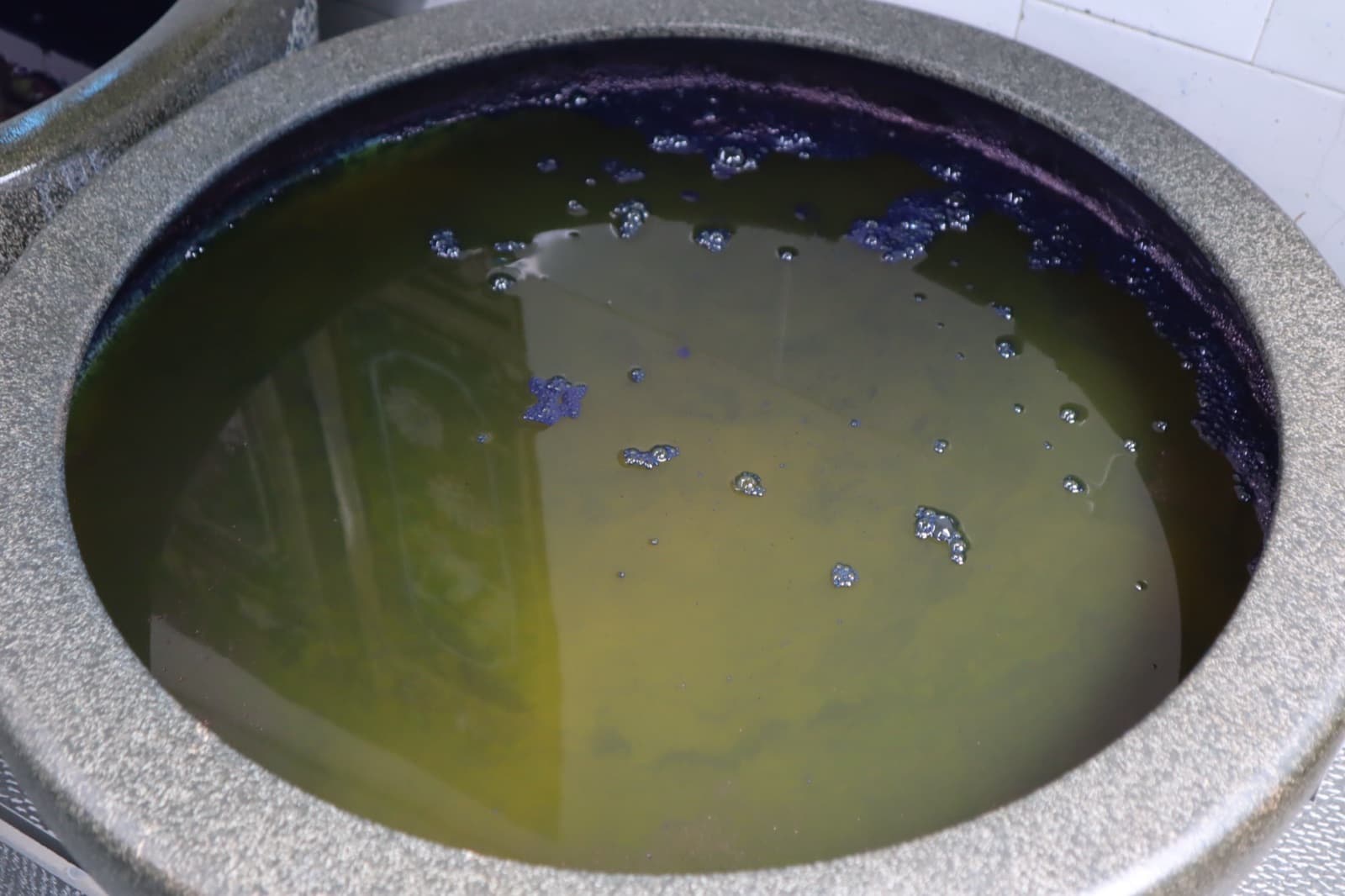
Plant indigo — Polygonum tinctorium — is harvested, crushed, and fermented in stone vats for weeks before it's ready to dye. The vats breathe. They need to be fed, stirred, and watched like dough proofing.
No two vats are the same. The same cloth, dipped in a younger vat versus an older one, will hold a different indigo.
Chapter II
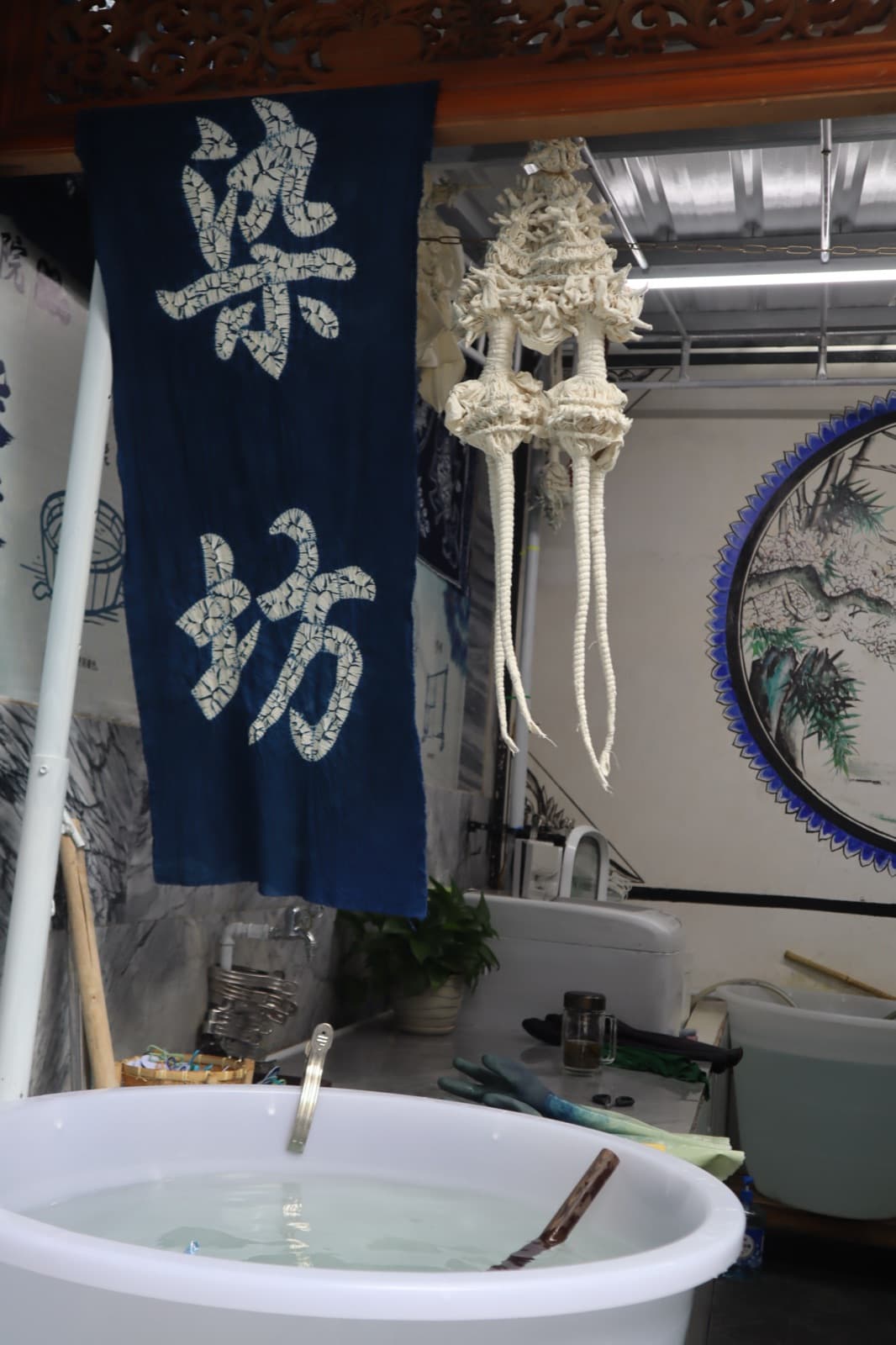
The fold.
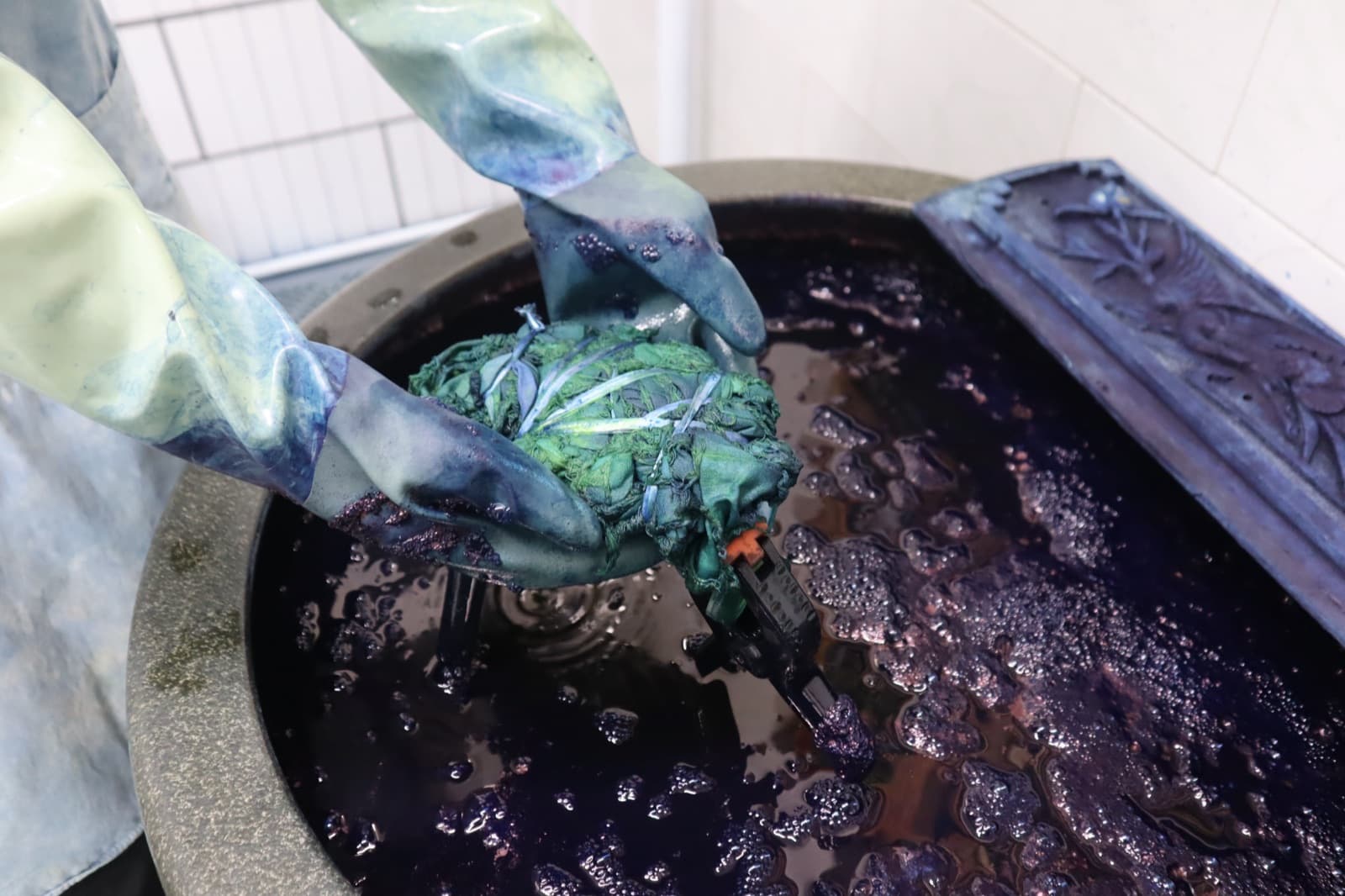
Before dyeing, the cloth is folded, tied, pressed, and bound. Each knot, each stitch, each clamp is a decision that will show up as a pattern on the other side.
The Bai call this zārǎn (扎染). Marbled, blossomed, clouded — the pattern is named by what it looks like after the untying.
Chapter III
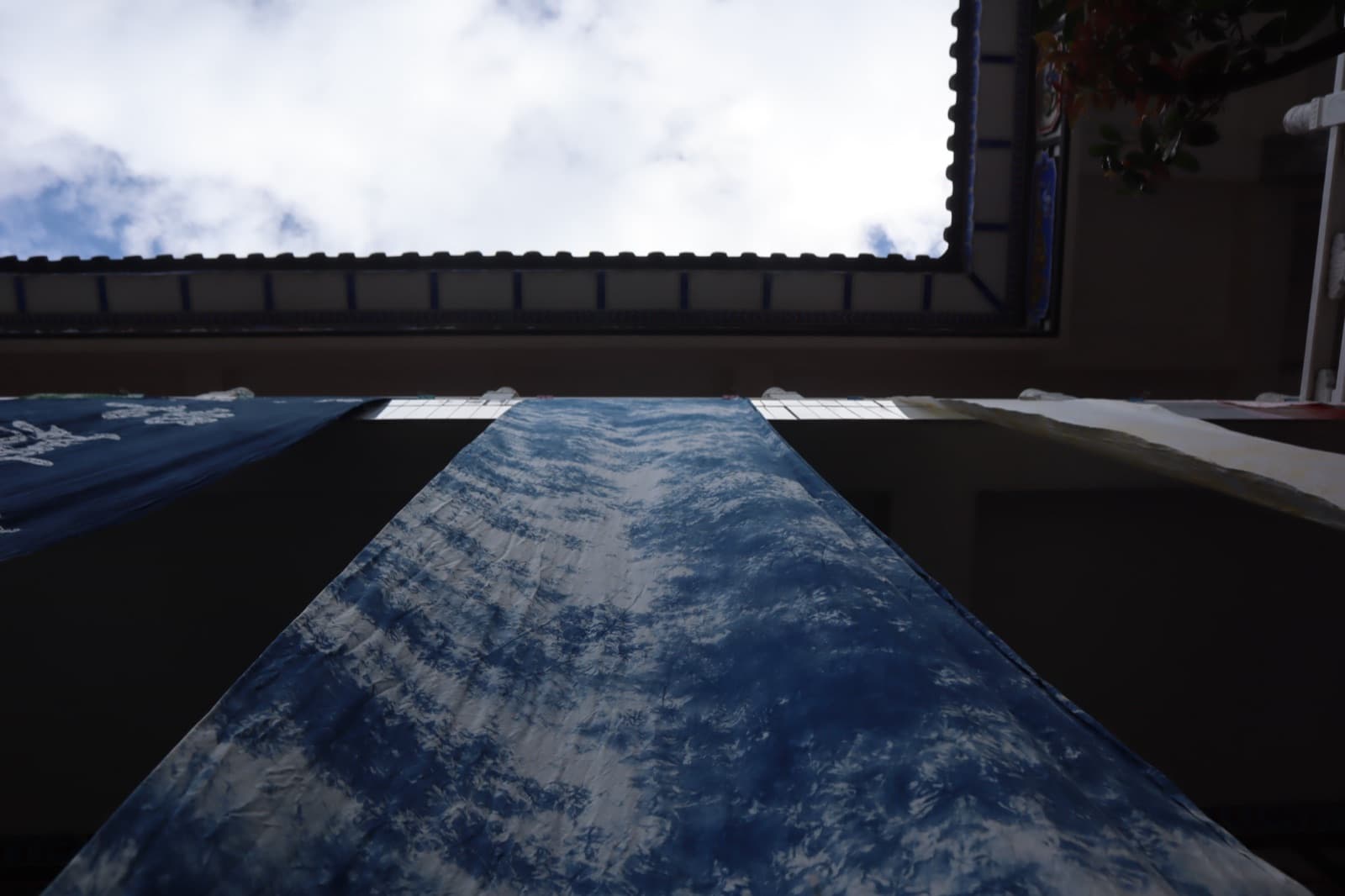
The dry.
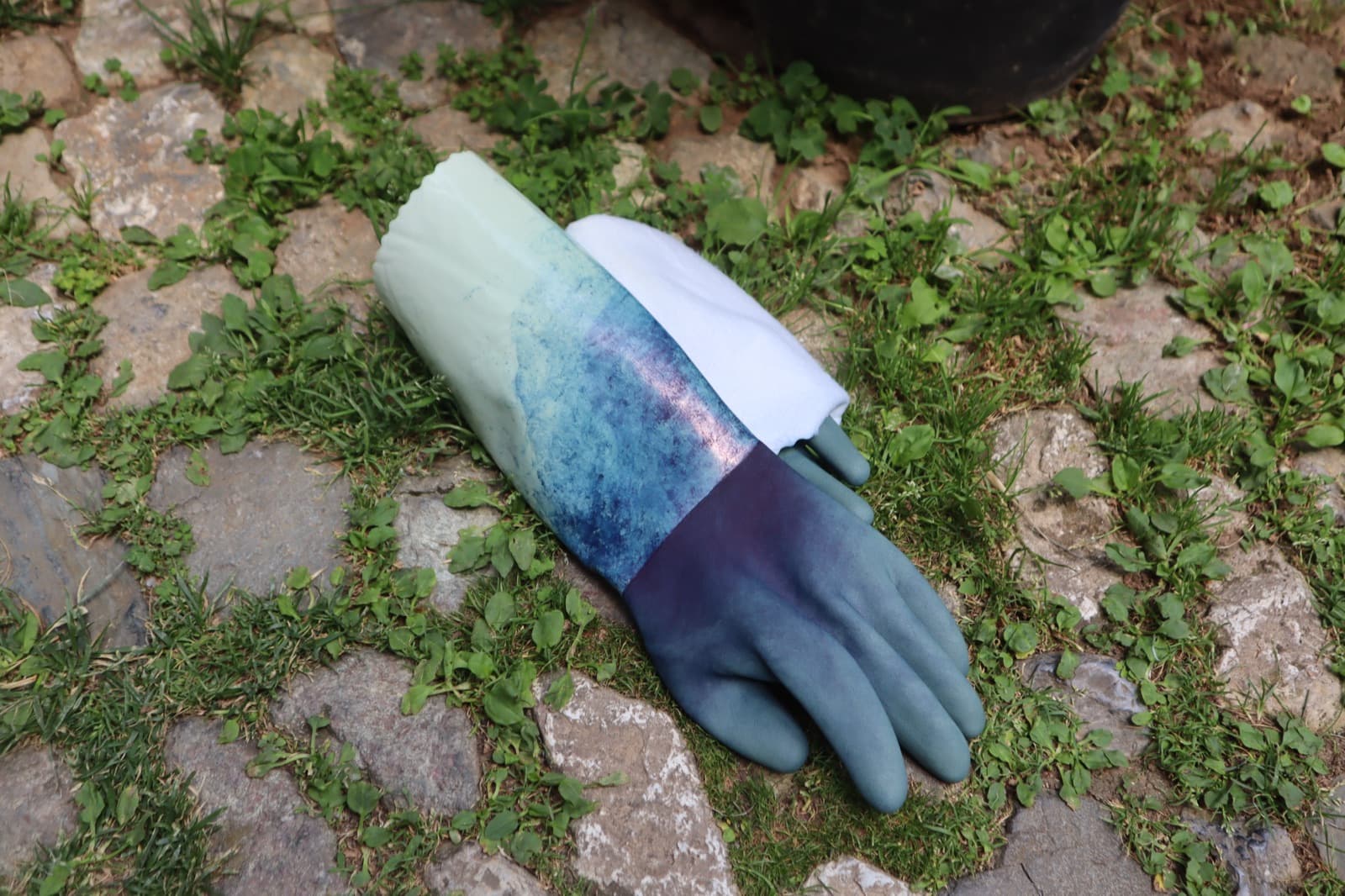
Dipped. Lifted. Oxidized in the air. The indigo darkens as it meets the atmosphere — that's the magic. Each piece is dipped several times, sometimes a dozen, to build up depth.
Then it hangs — in the sun, in the mountain air of Dali — until the color sets.
From the dye house