About
Mountain. Dawn. Moon.
Montlune (山晓月) is a word that doesn't translate cleanly — it names the three things you see every day in Dali, and it's our way of saying this craft belongs to a place that makes it.
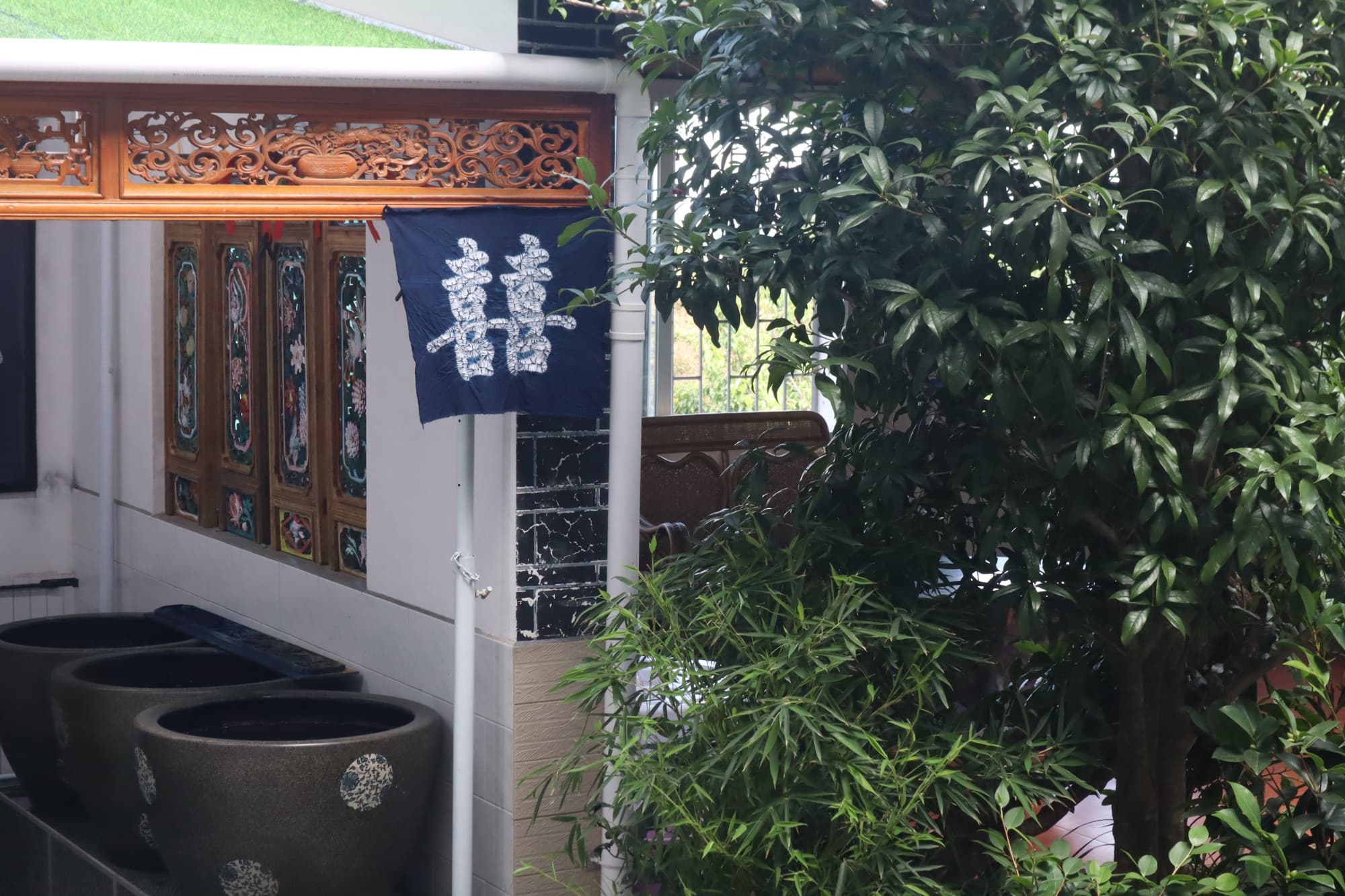
Why we started
A bag we kept going back to.
Montlune began with two people on a trip to Dali who couldn't stop looking at the cloth. One a Chinese technologist, one a Canadian partner in supply chain — together we kept visiting the same village, the same workshop, the same elderly woman folding cotton beside an indigo vat.
We kept thinking: if a craft this old, this alive, is still being practiced in the open — it deserves to travel.
Where we operate
One town. One workshop. For now.
Every piece Montlune sells is dyed in Zhoucheng Village, a small town in Dali Prefecture that UNESCO named the capital of Bai tie-dye. We work with one family workshop — the same workshop that trained three generations of dyers.
We don't aggregate suppliers. We don't source from factories claiming to be artisan. The people who make our bags are named. We're working on telling you about them properly.
What we promise
Three things, in order.
Fair wages. We publish what we pay the workshop. They told us what fair looked like — we followed their number.
Authenticity. Plant indigo, hand-tying, hand-dyeing, air-drying. If a step gets mechanized or outsourced later, the site will say so. You'll know.
Direct. No middleman between you and Zhoucheng. What you pay funds the craft staying alive.